Straw turning waste into treasure, realizing the maximization of resource utilization
Straw feed conversion
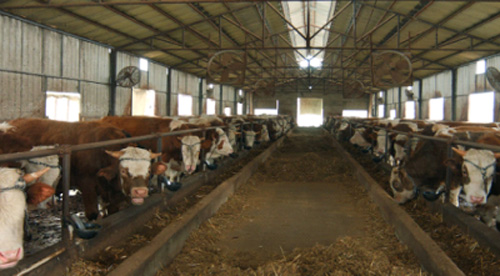
Using straw as forage to feed herbivorous livestock is an important manifestation of the value of straw feed and fertilizer, and is an effective way to feed straw through the abdomen and return it to the field.
Crop straw, when used directly as feed, has low protein, soluble carbohydrates, minerals, and carotene content, but high crude fiber content, resulting in poor palatability. Livestock feed intake is small, digestion rate is low, and nutritional value is low, manifested by less protein, fat, and nitrogen free extracts, while crude fiber is as high as 30% to 45%, digestion rate is low, effective energy value is low, and lignification degree is high, texture is hard, and palatability is poor.
Straw feed mainly refers to fiber feed made by crushing and processing straw such as wheat, rice, corn, etc. It is the main feed for ruminant animals such as cattle, horses, and sheep. Straw contains various trace elements such as N, P, K, which are required by ruminants. Through physical, chemical, and biological treatment methods, the shape of straw can be improved, and beneficial microorganisms for animals can be added to make straw feed.
After treatment, the crude protein content of straw increases from 3% to 4% to about 8%, the digestibility of organic matter increases by 10% to 20%, and it contains various amino acids, which can replace 30% to 40% of refined feed. In addition, it can also kill wild grass seeds to prevent mold growth. Suitable for ruminant animals such as sheep and cattle. Straw can also be crushed into grass bran and used as animal supplementary feed.
Straw feed not only reduces the amount of concentrated feed, lowers breeding costs, improves the quality of dairy and meat, and solves the problem of food competition between humans and animals, but also reduces grazing and protects grasslands.
The processing and utilization technologies of straw feed mainly include physical treatment, chemical treatment, microbial treatment, ammonification, ensiling, and micro storage.
Straw fertilization
The utilization of straw fertilizer mainly relies on direct straw returning to the field, including mechanized direct returning, mulching returning, rapid composting returning, rice wheat double set returning, heap composting returning, and processing organic fertilizer.
Straw organic fertilizer is an organic fertilizer produced by mixing straw with livestock manure, household waste, sludge generated by sewage treatment plants, and adding specialized microbial agents.
The role of straw organic fertilizer in changing soil physical structure and chemical properties, improving crop quality, maintaining soil fertility, and promoting sustained increase in grain production and income has been recognized by the world. With the development of technology, the improvement of people's environmental awareness, the further attention of the government, and the introduction of related support policies, it will become an important force in China's fertilizer industry, providing effective solutions to environmental pollution caused by insufficient organic fertilizer input and improper straw treatment in current field production.
Straw based material conversion
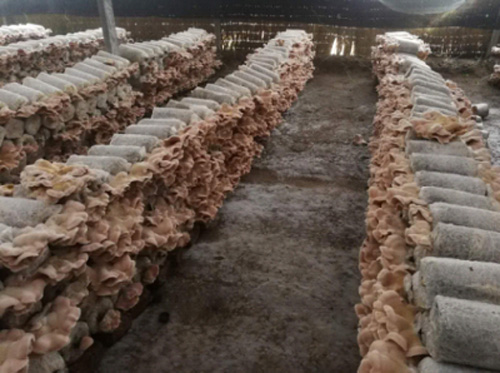
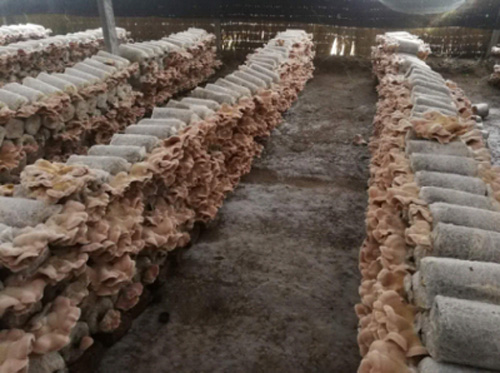
Crop straw contains abundant organic matter such as cellulose and lignin, making it a good material for cultivating edible fungi. The mushroom residue and mycelium formed by cultivating edible fungi with straw as raw material have high nutritional value. After processing, it can be made into bacterial protein feed to feed livestock, thus forming an energy multi-level utilization and material chain cycle ecological agriculture model of "straw → mushroom → feed → feces → return to the field".
Straw base material (matrix) refers to organic solid materials processed or prepared primarily from straw, which provide favorable conditions for the growth of animals, plants, and microorganisms, as well as certain nutrients for their growth.
In addition to producing edible mushroom culture media, straw can also be used to produce straw bioreactors and ecological straw mats.
Straw bioreactor technology is widely used in facility vegetable production processes, which can not only improve vegetable yield and quality, but also improve soil texture and restore soil fertility.
The biologically active soilless vegetation blanket produced from straw, also known as ecological straw grass blanket, can effectively control desertification and soil erosion, prevent natural disasters such as sandstorms, reduce mudslides, and slope collapses, and can also be used for large-scale greening of rooftops in cities.
Straw energy conversion
The common ways of utilizing straw energy include producing solid shaped fuel from straw, producing pyrolysis gas from straw, and producing biogas from straw.
1. Straw Forming Fuel Technology
Straw molding fuel is the process of crushing crop straw and compressing it into shape using pressure and heating in straw compaction equipment. It provides energy for rural residents' daily lives or serves as fuel for industrial boilers and power plants.
2. Straw gasification technology
Straw gasifier, also known as biomass gasifier. Straw gasification belongs to the utilization category of biomass energy. Straw gasification is the process of using straw as raw material, utilizing the principle of thermochemical reactions, in a closed anaerobic device, through thermal decomposition and chemical reactions, using self heating dry distillation pyrolysis method to release combustible mixed gases from straw. Straw is composed of elements such as C, H, O, and ash content. When they are ignited, a small amount of air is supplied and measures are taken to control their reaction process. Most of the energy in straw is transferred to gas, becoming combustible gas. This mixed gas contains effective components such as carbon monoxide, hydrogen, methane, etc., also known as biomass gas.
3. Production of biogas through straw fermentation
Anaerobic fermentation of straw produces biogas, which is produced by adapting crop straw to human and livestock manure and fermenting it under anaerobic conditions to produce combustible gases mainly composed of methane. These gases are transported to farmers through pipelines at slightly above atmospheric pressure.
Raw material utilization of straw
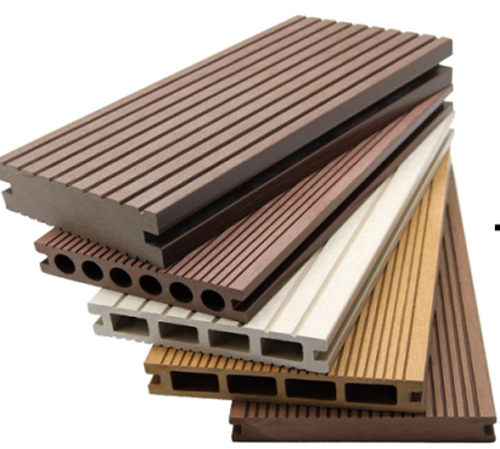
Straw raw material is a material or product made from straw fibers of crops such as wheat, rice, and corn as the main raw material, with other organic or inorganic materials as auxiliary materials, using certain industrial processing methods to produce environmentally friendly materials or products that can be used for practical production/life purposes. As a natural fiber, crop straw has good biodegradability, and the processing technology can achieve pollution-free emissions, which can meet the requirements of environmental protection. The corresponding formed composite materials include artificial boards, wood plastic profiles, straw cement, and straw magnesite products.
1、 Straw papermaking
Rice and wheat straw are important raw materials for the paper industry, with strong fiber structure and can be used as substitutes for wood. The proportion of pulp produced from crop straw as raw material in China is about 30% of the total pulp, and there is a trend of expansion. Therefore, the extensive use of rice and wheat straw for papermaking can reduce deforestation, increase green coverage area, and reduce soil erosion, which is one of the ways to comprehensively utilize straw.
2、 Straw building board
Using rice and wheat straw as raw materials and formaldehyde free isocyanates as adhesives, formaldehyde free rice and wheat straw boards are produced through processes such as grass cutting, crushing, drying, glue mixing, paving, pre pressing, hot pressing, and post-treatment. The product quality meets national standards and can be used in furniture manufacturing and interior decoration.
Adopting the "three measures" of prohibiting burning, utilizing, and joint prevention, adapting measures to local conditions, fully respecting the wishes of farmers, and scientifically diverting straw. Encourage farmers and farmer cooperatives to purchase straw crushers and balers, and on the basis of subsidies provided by the state, local finance will provide additional subsidies. Through a series of policy measures aimed at promoting prohibition through use, we fully respect the production methods and agricultural industries of farmers, and scientifically and comprehensively utilize straw according to local conditions, making the ban on straw burning a natural outcome.
The impact of the ban on incineration in recent years is still evident. With the control of the ban on burning straw, the losses caused by fires have been decreasing year by year, and the rural environment is also getting better. It has also driven the development of the straw business, enriched a group of people, and brought considerable economic benefits.